
British Ambassador to the Republic of Serbia
17th December 2025 Belgrade, Serbia
MAKING LIFE SAFER, FOR EVERYONE
Last week, I spoke at the Equality Commissioner’s annual conference about the importance of gender equality. I said that, as a father, I want to live in a world where my two daughters have exactly the same chance to shine as my son. Where their potential is recognised and nurtured, and where they can find a job, any job, that they love, and do it well. And where they experience from others the kindness and respect with which I hope they will treat everyone else.
Today, on 25 November, I’m thinking again about that last point, because today is White Ribbon Day, when men across the world are called to fight for a society without violence against women and girls.
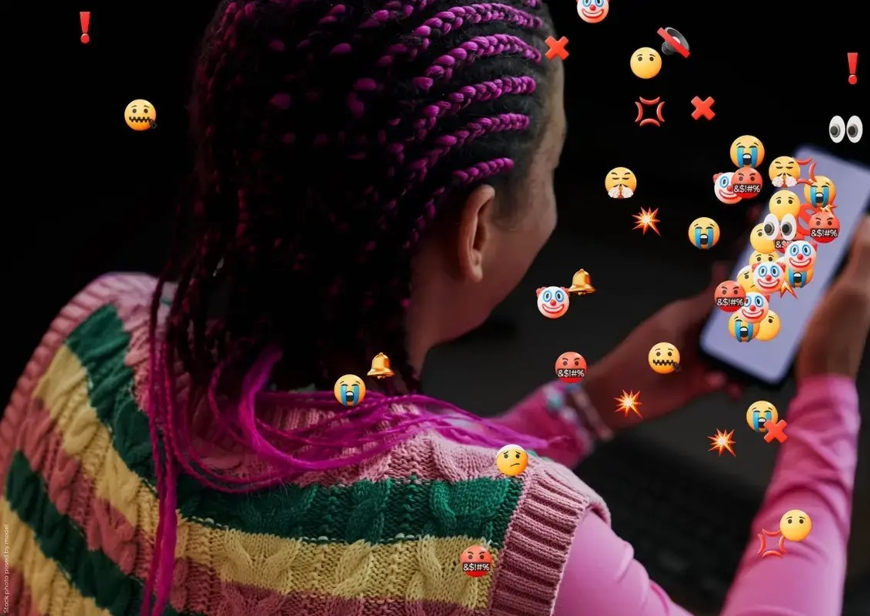
I’ll be honest. I’m worried. I see how the internet is shaping our children: how it can encourage toxic behaviours, or prey on their vulnerabilities. I see the online material that is fed by the algorithms to my 16-year-old son, unwanted and unprompted. Young men are told that they are victims of the so-called ’culture wars’. They are encouraged to use their strength not to protect and defend women and girls, but to dominate and control them.
In the divisions and polarisation of our increasingly online world, we risk losing sight of simple truths: that women and girls need the support and protection of men and boys, and vice versa.
On the face of it, Serbia can seem a very safe place. Most people are friendly and hospitable. I feel comfortable allowing my teenage children to go off and explore Belgrade on their own.
But, like many countries, Serbia faces challenges in producing reliable statistics about violence committed against women and girls. Women’s rights organisations work tirelessly on this, and we are privileged to support them. Underreporting remains a chronic problem. In a survey that the UK supported in 2022, only 12% of women who had experienced violence in public places said their would feel comfortable reporting it.
And behind closed doors, the situation can be quite different. According to the UN, 17% of women in Serbia have expreienced physical or sexual violence by an intimate partner. During my two years in Serbia, the rising rates of femicide, here and in the wider region, have been a growing concern. Just last week, in Mostar in BiH, a man chased a woman around the city before shooting her in a restaurant. Femicide, or the killing of women, is not categorised as a specific crime under Serbian law. But, for many of us, stories of women being murdered by the men who were supposed to respect and protect them are especially horrific.
Of course, this isn’t to suggest that men are, by definition, dangerous to women. But it is important to understand how the evolving culture and concept of masculinity can represent a threat, especially during formative teenage years. Traditional ideals of chivalry are being suppressed and replaced by blunt machismo. Teenage boys are encouraged to be tough, not kind. This toxic masculinity is not just a threat to women and girls. These pressures erode men’s well-being too, contributing to higher suicide rates, poorer mental health, and lower educational outcomes. It is also the foundation upon which can be built the extreme nationalism that has condemned this region to recurring interethnic division and conflict.
This puts a special burden on men of my generation to model the behaviours that we want our children to inherit. We need to form alliances with women so that, together, we can counteract the harmful influences to which young people are exposed.
In the UK, research says that 90% of women want men to call out inappropriate behaviour, and that 95% of men agree that women’s safety is a shared responsibility. That’s huge, and it’s very encouraging, but it’s only the start of a solution.
I think that many men want to be ’allies’, but they can often feel unsure about what to do or say. First and foremost, it is important to listen to and work with the women in your life to better understand what forms of allyship can best help them. Often, it is the small things that make a difference. Ensuring that women and girls are given equal opportunities to achieve their potential. Being ready to step in and challenge sexist behaviour when you see or hear it, at home or in the workplace. And, if you have children, raising them to treat women and girls with respect, kindness and empathy. It’s not realistic that we can shield our sons from harmful influence online, but we can combat it with positive influence at home.
There are excellent online resources and practical tools available, like Beyond Equality or Movember. These provide guidance for educators and parents on helping young boys to understand and to build healthy masculine behaviours.
This year, the British Embassy in Serbia will mark the 16 Days of Activism against Gender-Based Violence by taking part in a series of activities – supporting grassroots organizations, joining conferences, speaking out, wearing orange at the Embassy and, most importantly, having conversations about this issue. Tell us: what does being a male ally mean to you?