It’s a nice line. But I’m not having it. The big drawback with diplomatic life is the goodbyes. And at the UN they never end. No sooner have you got used to having someone around and, just occasionally, grown a little fond of them, than they clear off without a thought for the middle-aged emotional wreckage that they’re leaving behind.
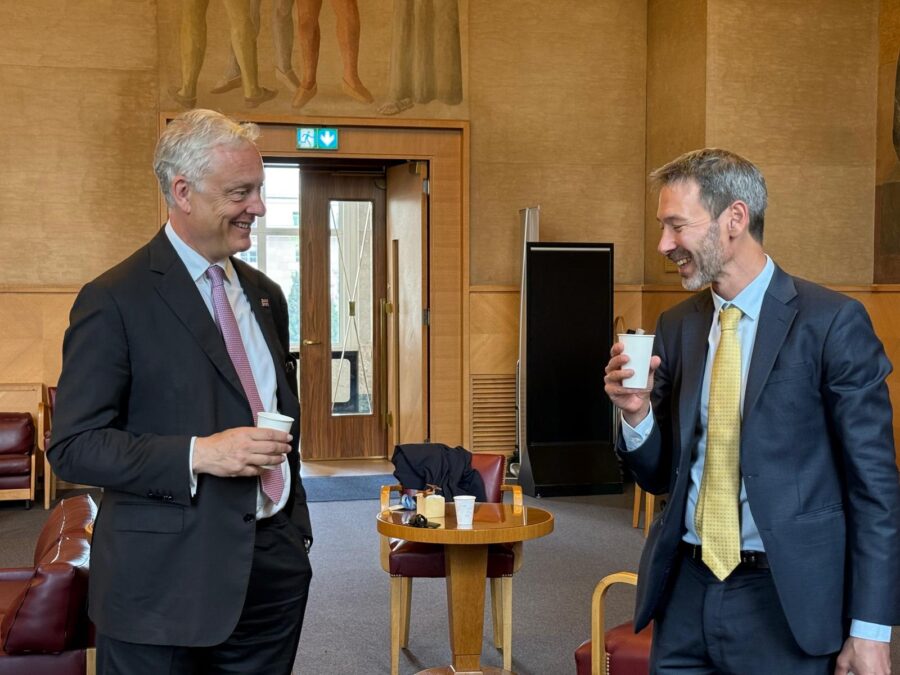
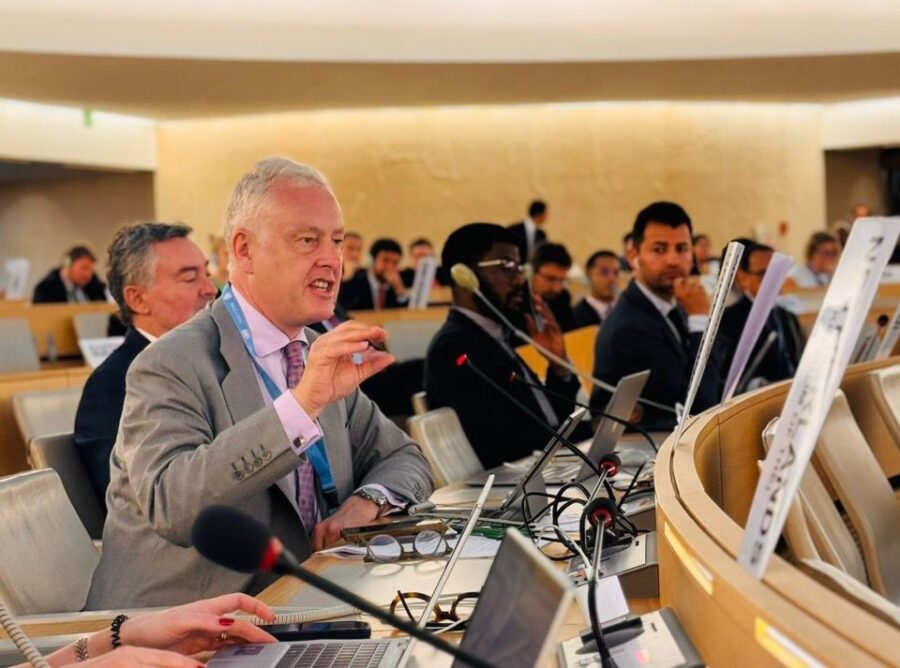
Anyone who has seen him speak will know that there’s been more than a touch of the theatrical about my soon-to-be-departed boss, Simon Manley. We’re probably talking more high-end am dram than Shakespeare, but it’s been a captivating performance for the past four years.
My personal moment of high-trauma highlight was his statement at the end of the urgent debate on Ukraine in the emotive days following Russia’s full-scale invasion. The UK had spoken once and there was no second statement planned but Simon thought we should do one more during the voting. I’d managed to scribble four words down before we were called on to speak. Watching your Ambassador turn the microphone on without knowing what they’re about to say ranks fairly highly in the list of diplomatic nightmares, somewhere between forgetting your UN pass on the day of a ministerial visit and turning up naked at work. He pulled it off with typical panache, while I stared into the middle distance trying to control my breathing.
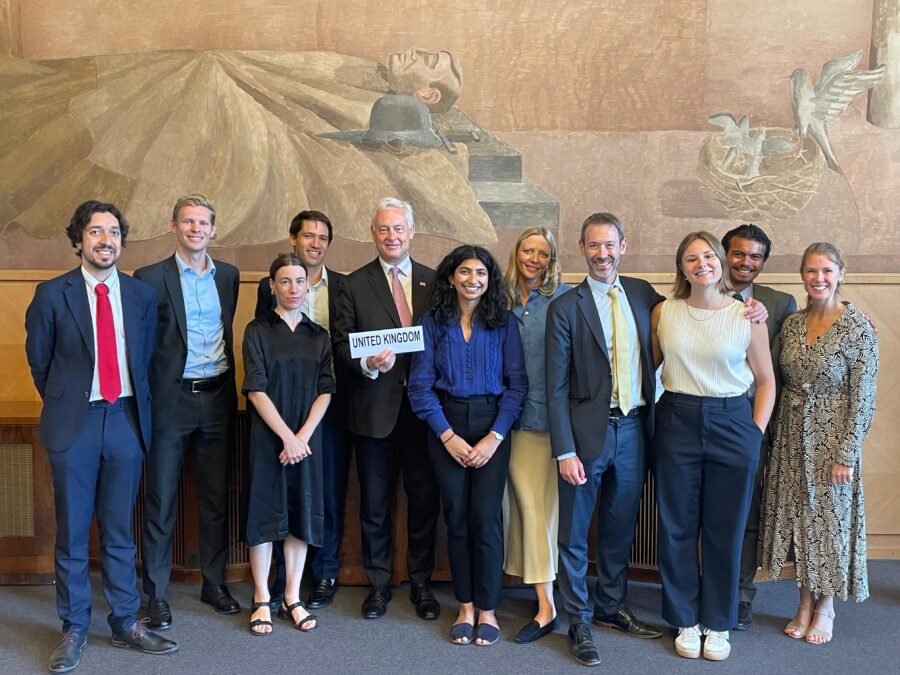
It’s rare to see a departing Ambassador quite so widely liked and respected both inside and outside his own office, and an impressive array of UN luminaries sent Simon off with their best wishes . Thank you for everything Simon. And keep dancing. And jogging. And, er, swimming.

Just to twist the emotional knife a little further, my erstwhile deputy Laura Callaghan-Pace has also exited the Geneva stage. She graced the Council with diplomatic skill and easy charm for the last four and a half years and made an enormous contribution on some of the most important issues we deal with here. Her commitment to human rights and determination to get things done set a fine example for us all. The Council misses you, Laura, and I’m sure everyone would like to give a very warm welcome to the world to new baby Héloïse.

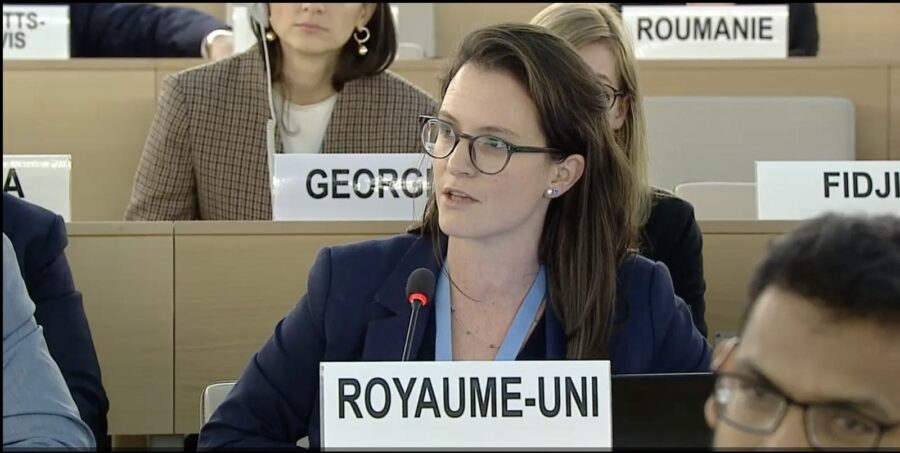
The latest Council session was a bit of an odd one. There was a tricky discussion over a list of 18 activities, already requested by the Council, which the UN cannot carry out due to lack of money. But despite the financial gloom hanging over us, it all went pretty well.
Eritrea took everyone by surprise on day one by tabling a resolution to end the mandate of the Special Rapporteur on Eritrea. It was a punchy move aimed at seeing off the separate resolution on Eritrea which the EU took over from the original African states who created the mandate. Regrettably, the human rights situation in the country remains dire, and this was the major reason why the resolution led by Eritrea mustered only a handful of votes while the EU resolution passed comfortably.
The big question coming into this session was what would happen to the mandate of the Council’s Independent Expert on Sexual Orientation and Gender Identity. The mandate is focused on protecting people from violence and discrimination and is one of the Council’s defining achievements. It was set up in 2016 by a group of Latin American States after South Africa had prepared the ground by presenting the first successful resolution on this topic in 2014. This year’s resolution passed with 29 countries voting in favour – the most ever. Happily, the negotiation process was significantly less heated than in previous years. And it was particularly good to see Kenya vote in favour and Kyrgyzstan move to an abstain – both had voted no back in 2016.
As ever in the summer session, there was a heavy focus on the rights of women and girls with separate resolutions covering violence, discrimination, and female genital mutilation. There was also a new resolution on women’s economic empowerment led by Kyrgyzstan alongside the Dominican Republic, Moldova, Sierra Leone and the UK. The intended outcome is a UN report on gender equality provisions in trade agreements, linking up the human rights world with the World Trade Organization and other organisations active in this field.
The session even managed to finish a bit early as a result of a collective drive to find micro-efficiencies in our work under the astute leadership of Swiss Council President Jürg Lauber. The idea of micro-efficiencies seems to be spreading to all walks of life – finding tiny, everyday changes that collectively have a major beneficial impact on morning routines, household chores, and so on. Sadly, I fear this has all come late for me. I’m firmly in the micro-chaos camp. Just ask anyone who’s stood behind me in a queue. Or my wife.
I wish you all a pleasant summer. The Council will definitely look a little different by the time those of us staying all meet each other again. It will sound a little less Shakespearean too.